Caterpillars in California: Identification and Poisonous Species
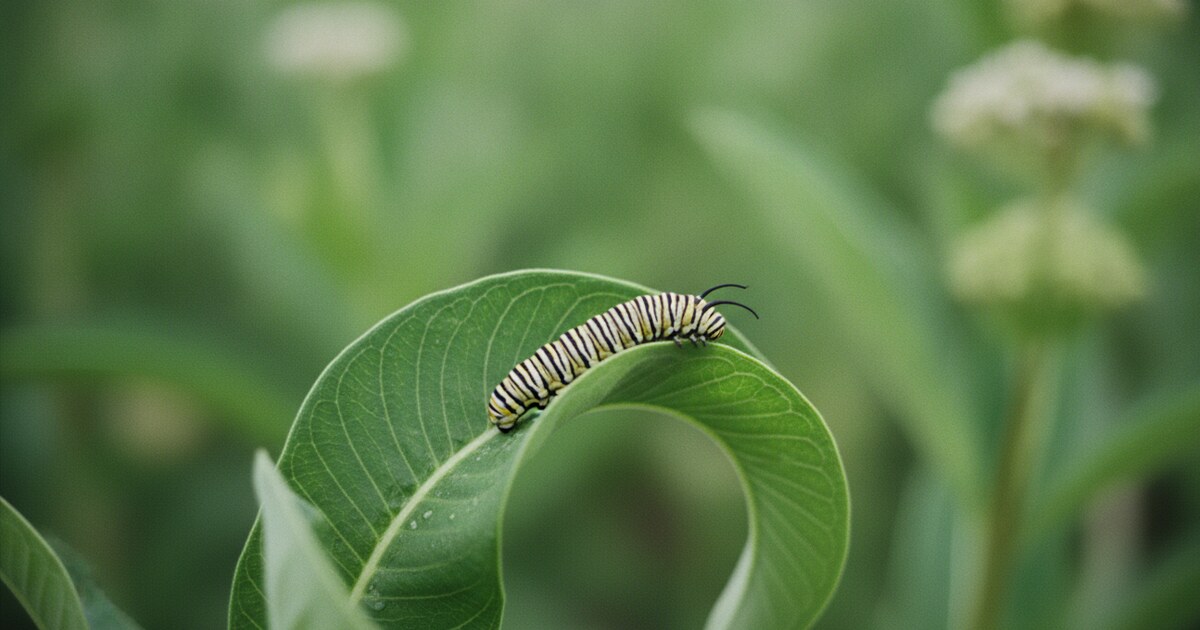
California’s range of climates gives it one of the widest caterpillar rosters of any US state. Coastal fog, Central Valley heat, Sierra Nevada forests, and high desert edges each support different species, so caterpillars in California look very different depending on where you are and when you’re looking. You might find a plump anise swallowtail working through your garden fennel in San Francisco, a California oakworm quietly defoliating a backyard oak in Sacramento, or a woolly bear crossing a mountain road in the Sierra foothills come October. Most of them are harmless. A couple aren’t. This guide covers 9 species you’re most likely to encounter, with enough detail to narrow it down from a single photo.
California’s most common caterpillars include the monarch on milkweed, the woolly bear crossing roads in fall, the anise swallowtail on fennel and carrot-family plants, and the western tent caterpillar building silken webs in oaks and willows each spring. Two species found statewide sting on contact: the IO moth caterpillar and the western sheep moth caterpillar. Both carry branching venomous spines that cause burning and hives.
Common Caterpillars in California to Know
California is home to roughly 230 native butterfly species and thousands of moth species, more Lepidoptera than almost any other state. The vast majority of caterpillar stages you’ll encounter are harmless, but a few carry urticating spines that deliver a sting comparable to a bee. Peak caterpillar season runs in two pulses: late spring (April through June) when overwintered eggs hatch, and early fall (August through October) when late-season broods fatten up before winter. Coastal and valley areas see earlier activity; mountain elevations above 5,000 feet typically run four to six weeks behind. The California oakworm (Phryganidia californica) is the only caterpillar endemic to the state (found nowhere else on earth), and it defoliates coast live oaks in periodic outbreaks that can strip whole neighborhoods of their canopy. Monarch butterflies that overwinter at Pacific Grove and Santa Cruz lay eggs on milkweed from February onward, so coastal and central California gardeners often spot monarch caterpillars before any other species.
1. Monarch Caterpillar (Danaus plexippus)
Bold black, white, and yellow rings encircle the entire body, with two black tentacles at each end. About 2 to 2.5 inches long at full size. Found only on milkweed plants (Asclepias species), which is the fastest way to confirm the ID. The chemicals in milkweed make monarch caterpillars toxic to most predators. Present statewide from February through October, with the highest concentrations in coastal California where milkweed corridors support the overwintering population.
2. Anise Swallowtail Caterpillar (Papilio zelicaon)
Early instars are dark brown and white, mimicking bird droppings. By the final instar the caterpillar is bright green with black bands, each band dotted with orange or yellow spots. If you disturb it, it raises an orange forked organ (the osmeterium) from behind its head, releasing a sharp anise smell. Feeds almost exclusively on plants in the carrot family: fennel, wild carrot, parsley, and the native California parsley (Lomatium). If you found it on your fennel or parsley, this is almost certainly what you have. Common in gardens, roadsides, and chaparral throughout California.
3. Western Tiger Swallowtail Caterpillar (Papilio rutulus)
Plump and green with two large false eyespots on the thorax (yellow with a blue center and a black pupil). Early instars are dark brown and white, again mimicking droppings. Feeds on willows, alders, cottonwoods, sycamores, and cherries. One of the most common large caterpillars in California, found from sea level up to about 7,000 feet in the Sierra Nevada. Doesn’t sting.
4. Woolly Bear Caterpillar (Pyrrharctia isabella)
Fuzzy, with a rusty-brown middle band and black at both ends. About 2 inches long. Best known for crossing roads and trails in late summer and fall while searching for a sheltered place to overwinter. The hairs won’t sting, though they can irritate sensitive skin if handled. Turns into the Isabella tiger moth. The folk tale linking the width of the brown band to winter severity has no scientific support. Found throughout California, from the coast to the high Sierra.
5. Western Tent Caterpillar (Malacosoma californicum)
Hairy, with blue spots and orange spots running along a dark body. Young caterpillars build communal silken tents in the branch forks of oaks, willows, cherries, and roses, starting in March. They venture out to feed during the day and return to the tent at night. If you’re seeing white webbing in your oak or fruit tree each spring, this is the likely culprit. Heavy infestations strip entire trees, but established trees typically push out new leaves within a few weeks. Native to California; populations cycle roughly every 6 to 10 years.
6. California Oakworm (Phryganidia californica)
Slender and yellow-green with two thin dark stripes running the length of the body, about 1.25 inches long. Found only on oaks, particularly coast live oak and blue oak. In outbreak years (roughly every 5 to 8 years) the oakworm can strip coast live oaks of all their leaves by late summer. Coastal and Bay Area residents are most likely to encounter them. This caterpillar is endemic to California; it exists nowhere else on earth. It’s one of the very few caterpillar species exclusive to a single US state.
7. Tomato Hornworm (Manduca quinquemaculata)
Large (up to 4 inches), bright green with white diagonal stripes along the sides and a stiff rear horn. Found on tomatoes, peppers, eggplant, and potatoes. The horn looks threatening but causes no harm. Very common in California vegetable gardens from June through September. The similar tobacco hornworm (Manduca sexta) has curved stripes and a red or orange horn instead of a green one.
Stinging Caterpillars in California
Two species found in California carry venomous spines that sting on contact. Neither is life-threatening to a healthy adult, but both cause significant pain, burning, and a rash that can last several hours. The rule is simple: if a caterpillar has branching, tree-like spines, don’t touch it with bare hands.
For more on spiky caterpillars across North America, see Spiky Caterpillars: How to Identify and Avoid Stings.
8. IO Moth Caterpillar (Automeris io)
Lime green with a white stripe outlined in reddish-brown along each side. Covered in branching venomous spines that are the same lime green as the body, making them easy to miss against foliage. Touching the spines causes immediate burning, swelling, and hives that can last several hours. Found primarily in Southern California and the Central Valley, in oak woodlands and mixed woodland edges. Active July through September. Handle with gloves or avoid entirely.
9. Western Sheep Moth Caterpillar (Hemileuca eglanterina)
Dark brown to black with dense tufts of branching spiny hairs. The spines deliver a sharp sting followed by localized swelling and a rash. Found in Sierra Nevada mountain meadows, foothill chaparral, and coastal ranges throughout California, often on lupine, wild rose, and manzanita. This is the stinging caterpillar most commonly encountered in the mountains. Season peaks August through October, which overlaps with peak hiking and camping activity in the Sierra. If you’re outdoors in the foothills or mountains in late summer, this is the one to watch for.
How to Identify Caterpillars in California by Photo
For most California caterpillars, these four clues narrow it down fast:
- Color and pattern: solid, striped, banded, or spotted
- Texture: smooth skin, hairy/fuzzy, or spiny
- Host plant: what plant was it on? Anise swallowtail on fennel. Monarch on milkweed. Tomato hornworm on tomatoes. Host plant alone closes most IDs.
- Region and elevation: coastal, valley, foothill, mountain, or desert edge
If those four clues still leave you with multiple candidates, a photo of the caterpillar does the rest. Animal Identifier lets you photograph the caterpillar and returns the species name in seconds. After the ID, you can ask follow-up questions in the same session: “does it sting?” or “what does it turn into?” without leaving the app. It covers insects including caterpillars statewide, so it works whether you’re in the Bay Area, the San Joaquin Valley, or the Sierra Nevada.
For a look at how caterpillar ID works across other states with similar species, see our guides to caterpillars in Michigan and yellow and black caterpillars. For white fuzzy species found throughout the West, white fuzzy caterpillar identification covers the key ones.
Frequently Asked Questions
Are there poisonous caterpillars in California?
Two California caterpillars deliver a venomous sting on contact: the IO moth caterpillar (lime green with branching spines) and the western sheep moth caterpillar (dark brown with spiny hairs). Neither is dangerous to healthy adults, but the IO moth sting causes burning and hives that can last several hours. If you’re stung, remove any embedded spines with tape, wash the area with soap and water, and apply ice. See a doctor if you have a known allergy to insect venom.
What is the green caterpillar in my California garden?
The most common large green caterpillars in California gardens are the tomato hornworm (diagonal white stripes, rear horn, on tomatoes and peppers), the anise swallowtail caterpillar (black bands with orange spots, on fennel and parsley), and the western tiger swallowtail caterpillar (large false eyespots on the thorax, on willows and cottonwoods nearby). Host plant is the fastest clue.
When are caterpillars most active in California?
California has two main caterpillar peaks. The first runs April through June, when spring-hatching broods feed before summer heat sets in. The second runs August through October, when fall broods fatten up before winter. Mountain areas above 5,000 feet run four to six weeks behind valley and coastal sites. Woolly bears are most visible crossing roads in September and October.
What is eating the leaves on my California oak tree?
If you see thin, yellow-green caterpillars with dark stripes on your oaks, you likely have a California oakworm (Phryganidia californica) outbreak. This is the only caterpillar endemic to California. Western tent caterpillars (hairy, blue-spotted body) can also defoliate oaks in spring. Healthy established oaks usually recover from one bad defoliation season, though repeated outbreaks weaken them over time.
What builds white silken tents in California trees in spring?
White web tents in tree branch forks from March through May are the work of western tent caterpillars (Malacosoma californicum). They’re native to California and most often appear on oaks, willows, and wild cherries. The caterpillars leave the tent to feed during the day and return at night. Heavy infestations look alarming but rarely kill established trees.
If you find a California caterpillar you don’t recognize, take a photo and open Animal Identifier. Point the camera at the caterpillar, snap the image, and you’ll have the species name and details in seconds. You can follow up by asking whether it stings or what plant it prefers, all in the same session. Download it free on iOS or Android and try 2 identifications per day at no charge.